Shedding Light on Nigeria's Future: A Vision for 24-Hour Power Supply
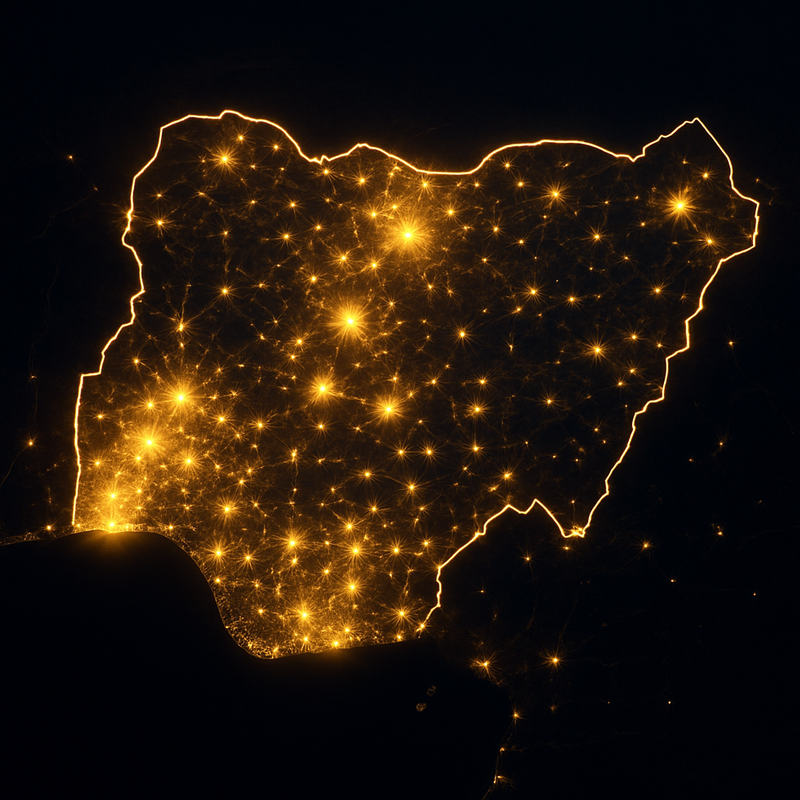
Nigeria — vibrant, resilient, and rich in potential — has for too long operated in the shadow of erratic power supply. But what if we dared to dream bigger? What if that dream was a 24‑hour power supply for every home, every business, every community?
Is it too much to ask from our leaders, or is it impossible to achieve? The truth is: this dream is absolutely possible — if we act decisively.
🌟 The Power of Possibility
Imagine a Nigeria where:
- Industries run without the deafening hum of diesel generators.
- Small businesses operate late into the night without worrying about outages.
- Students study without candlelight or phone torches.
- Hospitals run critical equipment without fear of power cuts.
An economy energized. A people empowered. A future secured.
This vision is not far‑fetched. Countries that once faced similar challenges have turned things around — and Nigeria can too, with commitment, planning, and political will.
🌍 Learning from Global Success Stories
We do not need to reinvent the wheel. Examples from across the region show what is possible:
- Egypt — diversified investments in renewables and conventional sources to stabilize the grid.
- Morocco — the Noor Ouarzazate Solar Complex demonstrates the impact of large-scale solar projects on national supply.
Nigeria has even greater potential: abundant sunshine for solar, large natural gas reserves, and a youthful population ready to innovate. With the right policies and investments, Nigeria can leapfrog to a more resilient energy mix.
📜 A Blueprint for Change
To realize 24‑hour power nationwide, Nigeria should prioritize:
- Investment in infrastructure — upgrade transmission lines, repair substations, and modernize distribution systems.
- A clear, measurable roadmap — set targets for generation capacity, transmission losses, and access rates.
- Renewables integration — deploy solar, wind, and mini‑hydro where technically and economically feasible.
- Public‑private partnerships — attract global capital while empowering local firms and communities.
💰 Funding the Future
The cost of a nationwide, sustainable electrification program is significant — estimates suggest roughly $100 billion to fully transform generation, transmission, and distribution at scale. But fiscal adjustments already made by the country open pathways for investment.
For example, the removal of fuel subsidies has produced large budgetary savings. To illustrate:
- Estimated cumulative savings from subsidy removal: $84 billion (to date).
- Estimated annual savings available for reallocation: $7.5 billion.
If even a portion of these funds is dedicated consistently to power-sector projects — combined with international financing and private capital — progress can be rapid and sustainable.
🚀 Timeline: How Long Would It Take?
With an annual investment of about $7.5 billion, a broad estimate suggests Nigeria could reach nationwide 24‑hour supply in roughly 13–14 years. That timeline assumes steady investment, improved governance, and rolling grid upgrades.
However, the timeline can be shortened with:
- Accelerated private investment and concessional loans.
- Targeted off‑grid and mini‑grid programs for rural areas.
- Fast‑tracked regulatory reforms that reduce project approval times.
📊 Quick Facts: Nigeria’s Power Challenge
Key numbers to keep in mind:
- Installed capacity: ~13,000 MW (nameplate) — but available daily output often falls closer to ~4,500 MW due to system constraints.
- Population: Over 220 million — largest in Africa and growing.
- Per capita electricity use: One of the lowest globally, which highlights both the need and potential upside of electrification.
Sources: Nigerian Electricity Regulatory Commission (NERC), World Bank energy data.
📢 A National Mission, Not Just a Promise
We urge policymakers to treat 24‑hour electricity as a binding national mission. The benefits are wide‑ranging:
- Increased industrial productivity and competitiveness.
- Jobs and opportunities in renewables and construction.
- Improved health outcomes and educational performance.
- Greater investor confidence and stronger GDP growth.
💬 Your Voice Matters
What do you think Nigeria needs to do differently to achieve this? Share your ideas in the comments below — and if this piece resonates, please share it with friends and colleagues.
Share on Social: Share on Twitter | Share on Facebook


Comments
Post a Comment